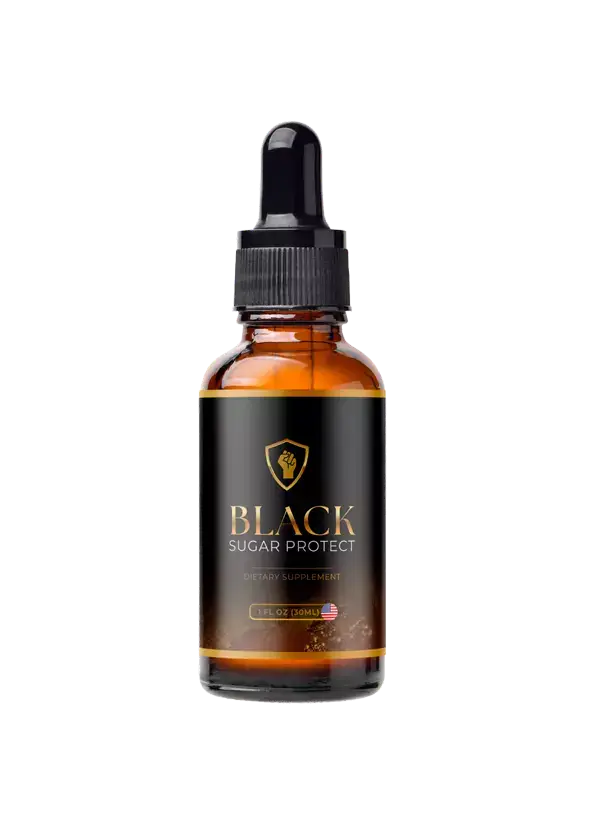
Chromium Picolinate
An essential trace mineral with a recognised nutritional role — and a supplementation literature that is genuinely mixed.
A trace mineral with a recognised role in normal macronutrient metabolism — and a supplementation literature that is genuinely mixed.
Understanding Chromium Picolinate In Black Sugar Protect
Chromium is an essential trace mineral, required in micrograms rather than milligrams. That is a thousandth of the scale most supplement ingredients work at, and worth keeping in mind.
It occurs in small amounts across many foods — whole grains, meat, broccoli, nuts and brewer's yeast.
Picolinate describes the form: chromium bound to picolinic acid, which improves absorption relative to some other forms and is consequently what most research uses. The supplied ingredient artwork for this product labels it “chelated chromium”, and picolinate is one common chelated form — both descriptions are noted here rather than quietly reconciled.
Chromium Picolinate Research And Black Sugar Protect Context
The established role is in normal macronutrient metabolism, including carbohydrate. That is the accurate description and the defensible one.
Beyond that, chromium supplementation has been examined extensively in relation to glucose handling and insulin sensitivity.
The evidence regarding blood sugar effects is mixed, and this deserves to be stated plainly rather than glossed. Some trials report improvements in glucose measures; others find no meaningful difference. Systematic reviews pooling that work have generally concluded the results are inconsistent, that effects where observed tend to be modest, and that findings may differ between people who are chromium-deficient and those who are not.
Anyone presenting chromium as a settled route to blood sugar control is overstating a genuinely unsettled literature. Its inclusion here is reasonable on nutritional grounds. It is not evidence that this product affects blood sugar.
Chromium Picolinate Safety Within Black Sugar Protect
Generally well tolerated at nutritional intakes, with one precaution that matters more than the rest.
- Blood sugar medication is the important one. If you take anything for blood sugar, speak to your healthcare provider before taking chromium, and never adjust prescribed medication yourself.
- Kidney or liver conditions warrant medical advice before supplementing with any trace mineral.
- Stacking sources. Many multivitamins contain chromium; totals add up.
- Diagnosed diabetes or insulin resistance is managed with a clinician. A supplement is not a treatment for either.
What the Black Sugar Protect label does not tell you
All six ingredients are disclosed by name, which is better practice than the proprietary blends common in this category. What is not published is how much of each the formula contains.
That gap matters more than it might appear. Every piece of research behind these ingredients was conducted at a particular dose — berberine trials at several hundred milligrams a day, magnesium at defined intakes, chromium in micrograms. Without an amount, a named ingredient cannot be measured against the studies that made it interesting in the first place.
No amounts have been estimated or invented anywhere on this site. If the quantities matter to your decision, that is a fair question to put to the seller before ordering.
How to read the research behind Black Sugar Protect
Berberine, Ceylon cinnamon, alpha-lipoic acid, magnesium, chromium and licorice root are all genuine subjects of published nutritional research. That research is real, and this site describes it as accurately as it can.
It is not evidence about this product. Studies examine single ingredients, usually in isolation and at stated doses. Combining six studied ingredients does not transfer their findings to the combination, and no clinical trial of this finished formula has been published or claimed.
For independent background, the NIH Office of Dietary Supplements maintains plain-language fact sheets on magnesium, chromium and botanical supplements; the FDA publishes guidance on how supplements are regulated; and the FTC publishes consumer guidance on health claims. None of those bodies endorses this or any supplement, and nothing here should be read as implying they do.
Further Black Sugar Protect Reading
The ingredients overview sets out all six together, how it works covers the daily routine, and the benefits page frames each claim against what the evidence supports.
Black Sugar Protect Safety Context
Black Sugar Protect is not a treatment for diabetes
Black Sugar Protect is a dietary supplement, not a medication. It does not treat, cure, reverse or prevent Type 2 diabetes or any other condition, and nothing on this site should be read as suggesting it does.
Never stop, reduce or change prescribed medication because of a supplement. If you are managing blood sugar, that care belongs with your doctor. Adding any supplement to a treatment plan is a conversation to have with them first — particularly with this formula, because several of its ingredients are studied precisely because they may influence glucose metabolism, which is exactly the kind of interaction a prescriber needs to know about.
Some symptoms need prompt medical attention rather than a supplement. Tingling or numbness in the hands or feet, changes in vision, wounds that heal slowly, unusual thirst or urination, and persistent fatigue are all reasons to see a clinician quickly. They are not reasons to buy a supplement, and a page that treats them as a sales trigger is doing its readers real harm.
Safety considerations for Black Sugar Protect
Black Sugar Protect is a dietary supplement, not a medication. If you have a medical condition or take prescription medication, consult a qualified healthcare professional before using the product.
- Blood sugar medication. Several ingredients here are studied for effects on glucose metabolism, which is precisely why combining them with medication needs professional oversight.
- Licorice root carries the most specific considerations in this formula — it is associated with effects on blood pressure and potassium with sustained intake, and is generally avoided in pregnancy and by people with high blood pressure, heart or kidney conditions.
- Berberine is known to interact with a number of medications through liver enzyme pathways, and is not recommended in pregnancy or breastfeeding.
- Pregnancy and breastfeeding. Not intended for use during either.
- Adults only, and not for anyone under 18.
- Surgery. Tell your surgical team about any supplement well in advance.
Discontinue use and seek advice if you experience any unexpected reaction.
Other Black Sugar Protect Ingredients
Considering Black Sugar Protect?
Read the ingredient pages before you decide. Each one sets out what the ingredient is, what the research has actually examined, and where the evidence stops — including the fact that no amounts are published for this formula.
If you are living with diabetes or take medication for blood sugar, speak to your doctor before adding any supplement. This product is not a medication and is not a substitute for one.
- Six ingredients, all named
- Liquid format, taken daily
- 90-day satisfaction guarantee